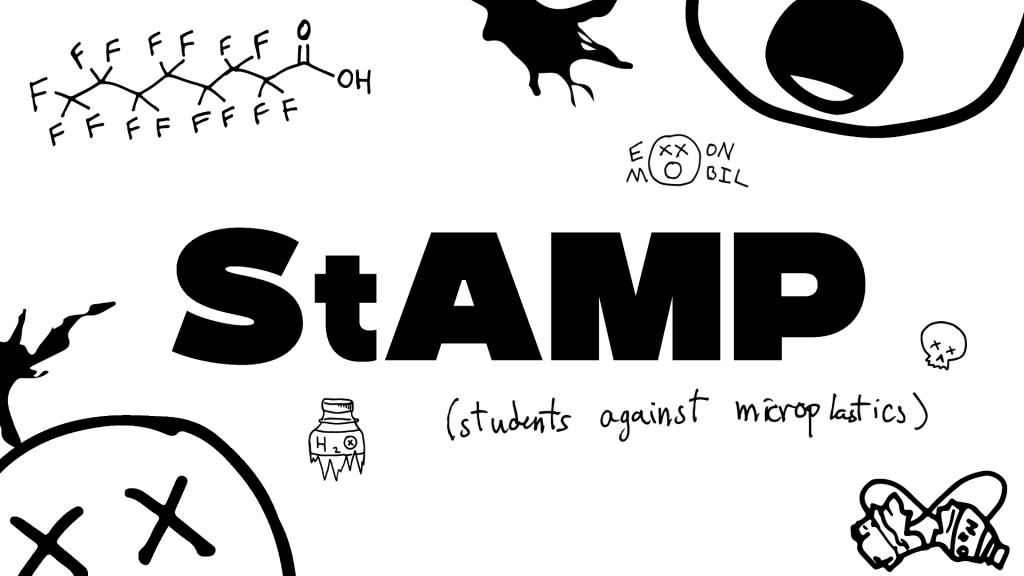
The StAMP (Students Against Microplastics) movement is a social movement focused on education and awareness of harm caused by single-use plastic microplastic, and PFAS (per- and polyfluoroalkyl substances) chemicals to not just to the environment, but also to ourselves. There have been numerous studies about the dangers of PFAS chemicals in everyday household items like food and water. There have also been numerous predictive studies about the harm of microplastics in our systems and on our planet; both of these reasons are the main motivation for bringing attention to StAMP’s cause.
Creating a Movement’s Identity
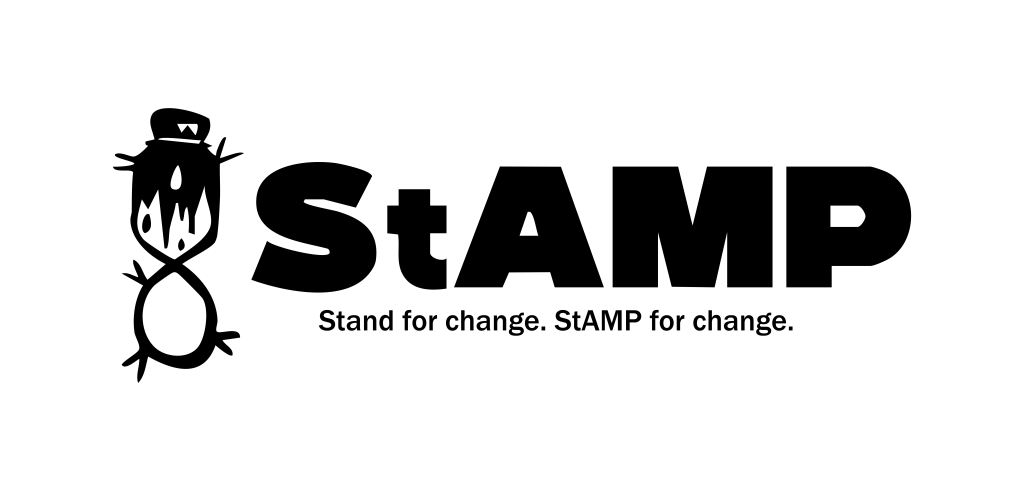
The wordmark pictured above was meant to reflect urgency, as environmental pollution is something meant to be taken very seriously. Bold sans serif fonts were used in order to keep a solemn tone, and the logo on the left represents a poisonous, ever-present plastic water bottle. The spikes around the edges mimic the chemical compound diagram of PFAS chemicals, indicating the hidden ingredients of what plastic bottles actually contain.
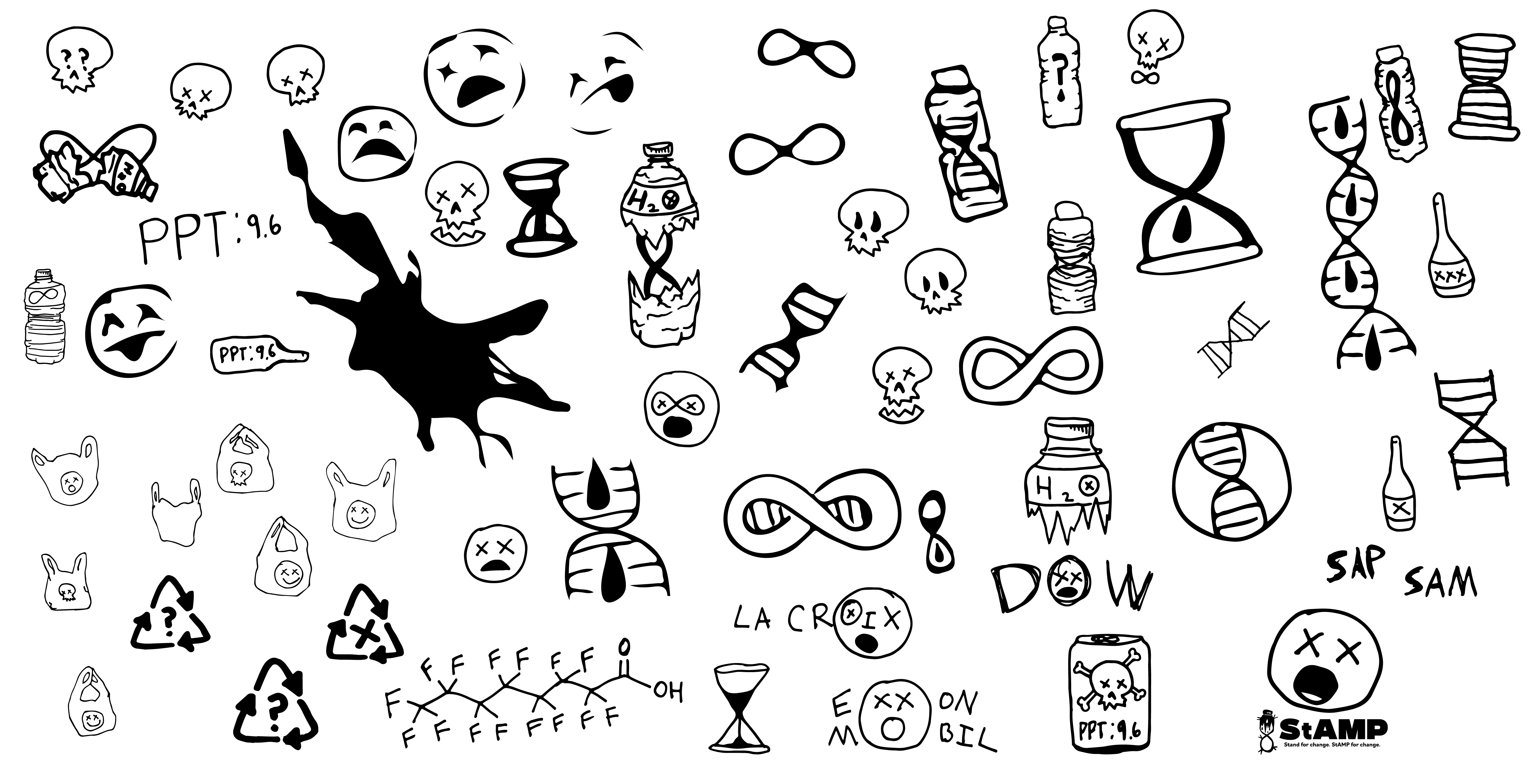
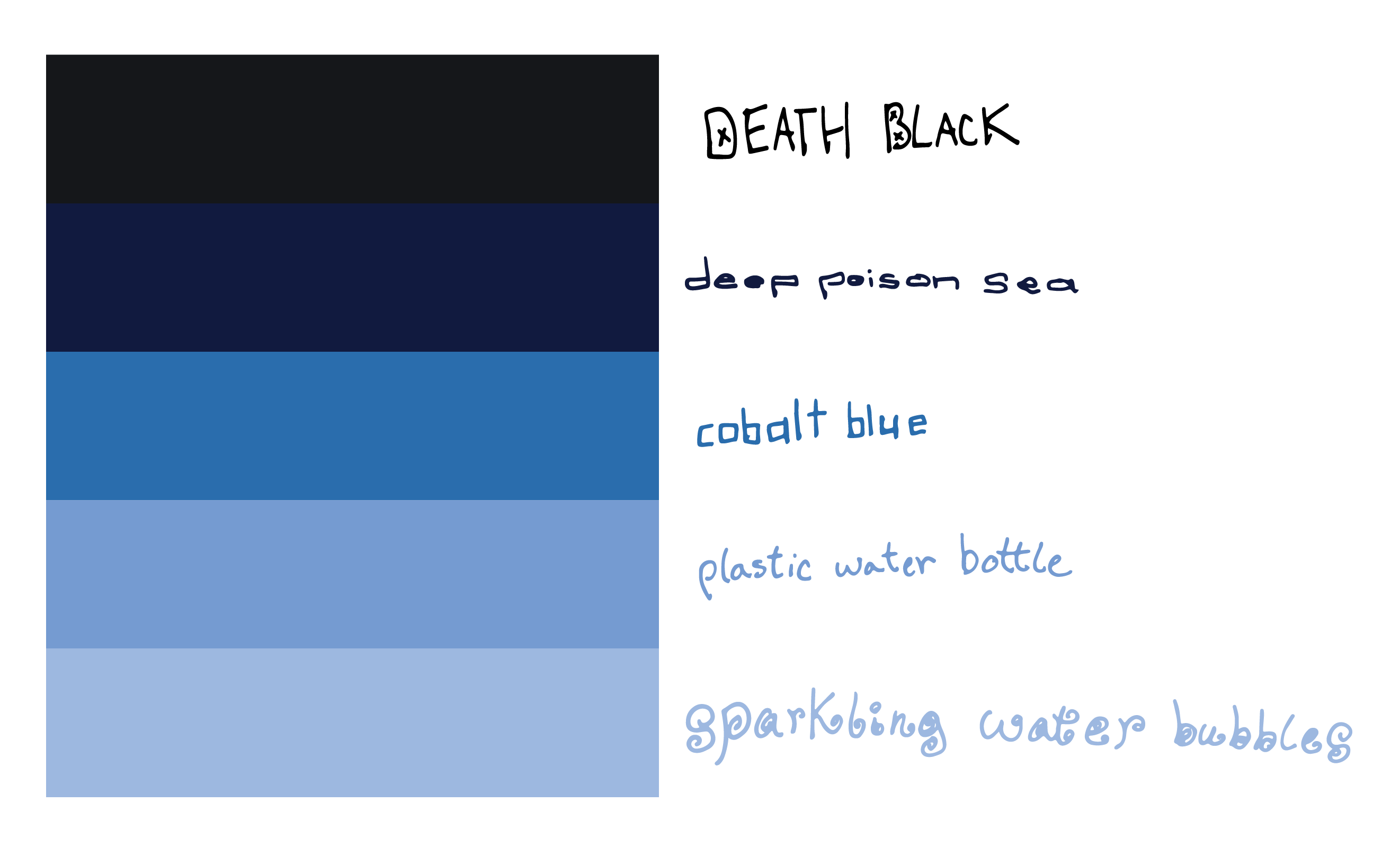
(Identity components: vector doodles and color palette)
Brand Material
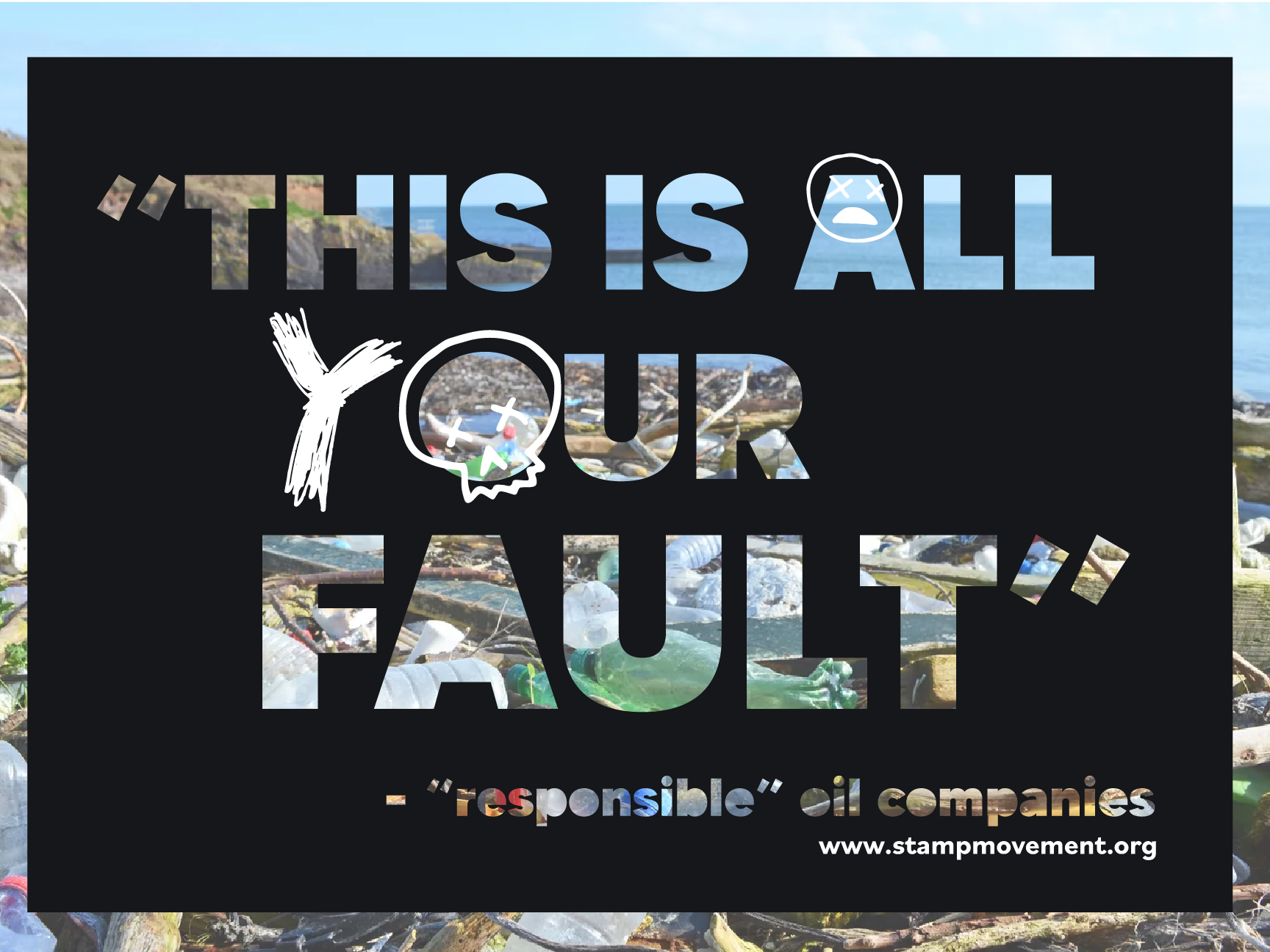
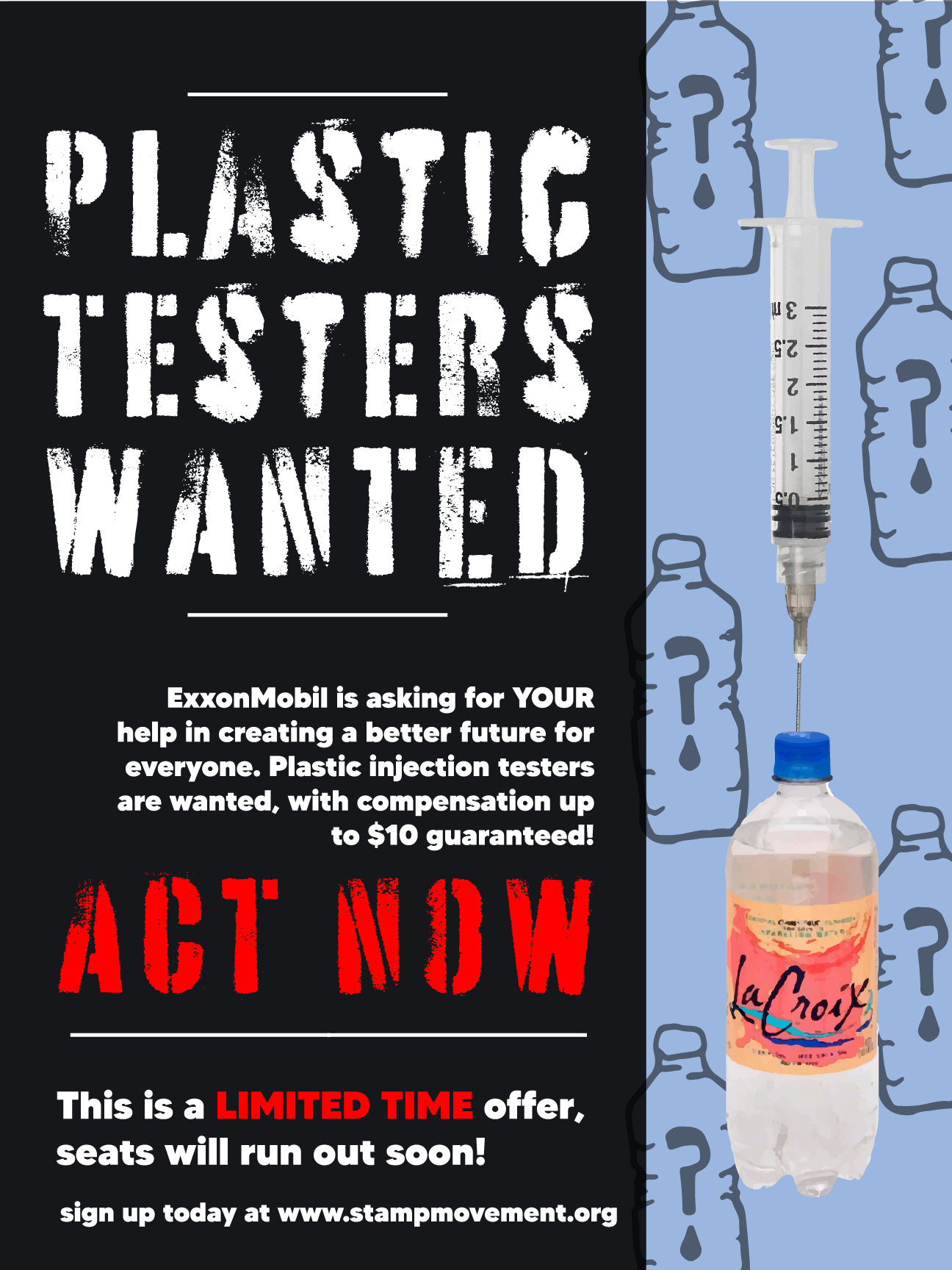
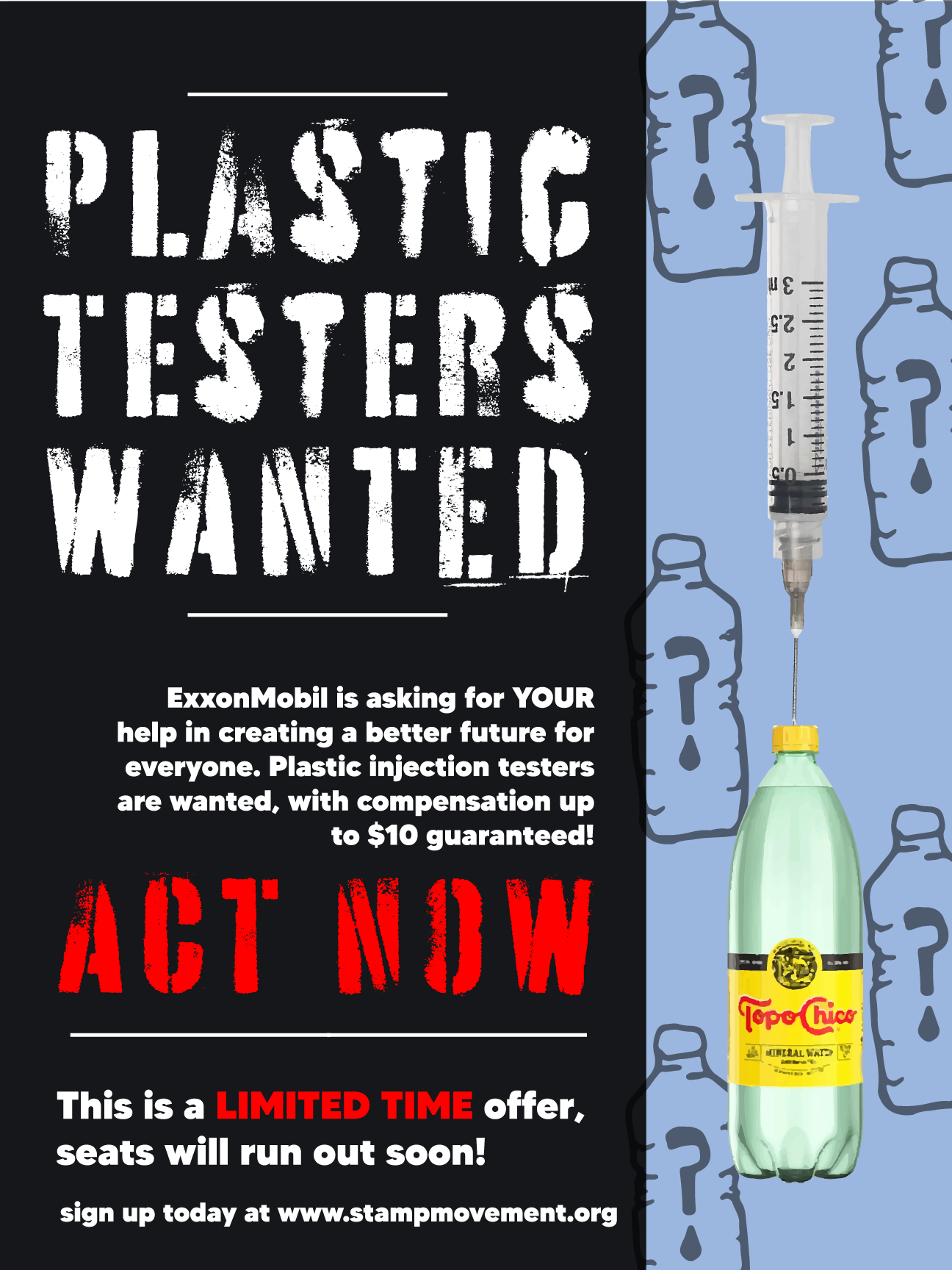
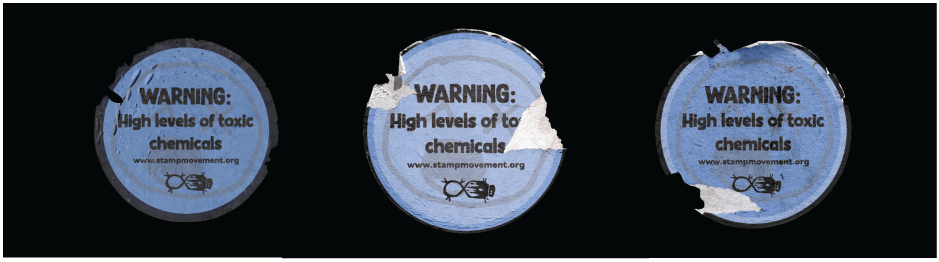
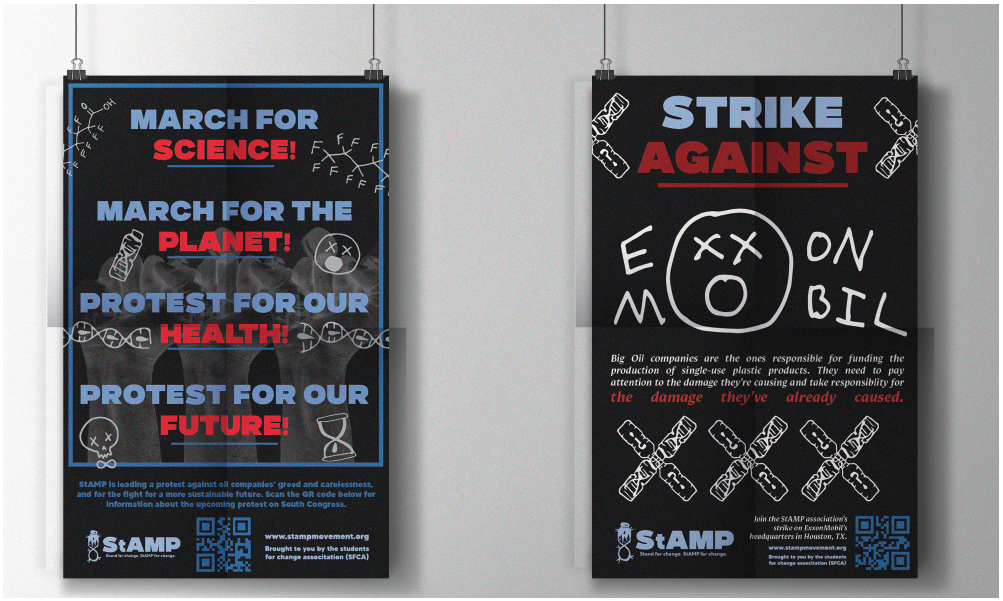
Most of what this project focused on was creating concrete material for people to see and actively engage with. “Agitation material” was the term used in light of the social movement aspect, and it meant things that could be used to make people upset yet curious for more information about the cause. Required poster designs included community meetings and an eventual march and/or strike against the primary proprietor(s) of harm that the movement fought against.
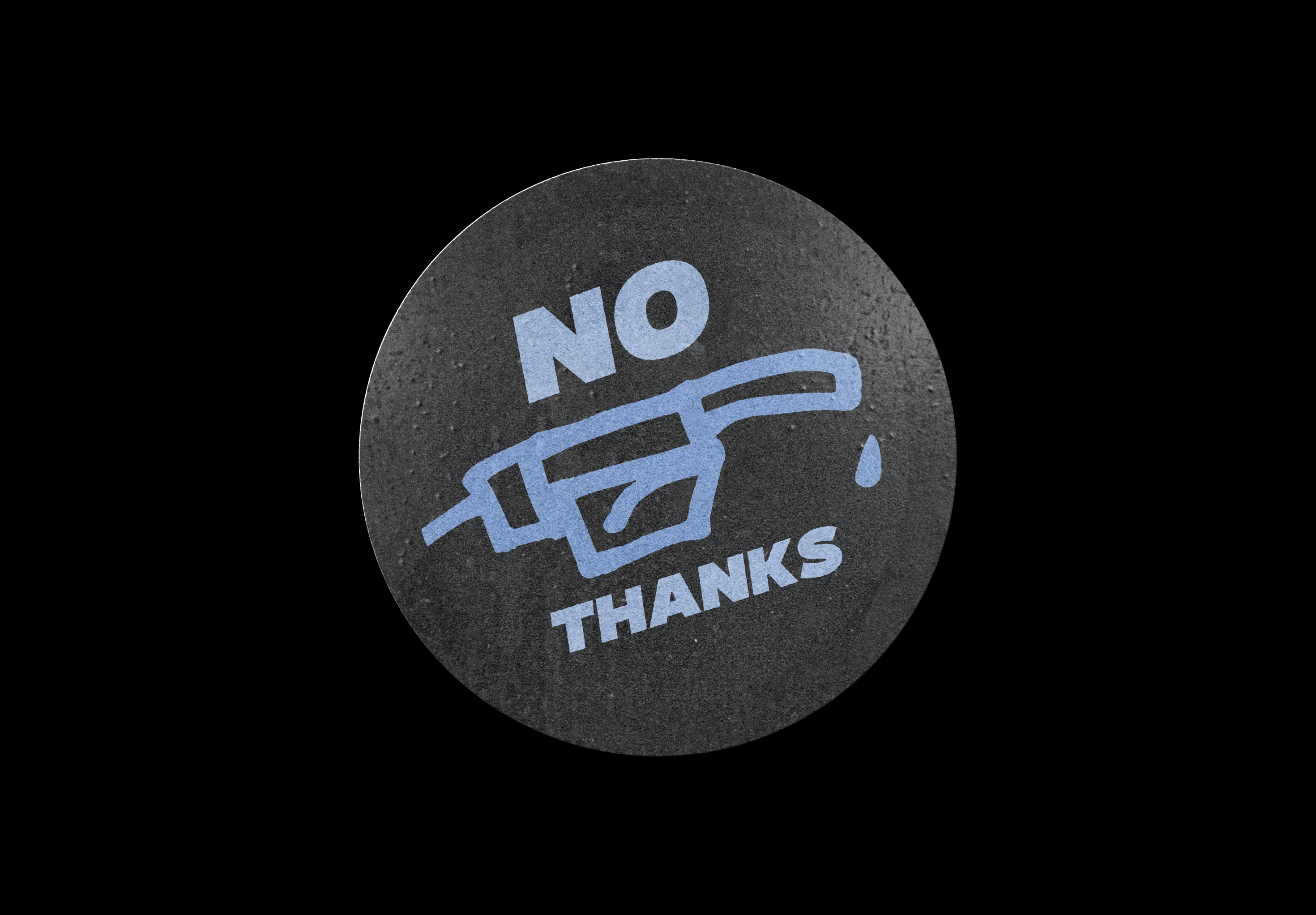
(Agitation Posters and Stickers – to be placed on sparkling water containers)
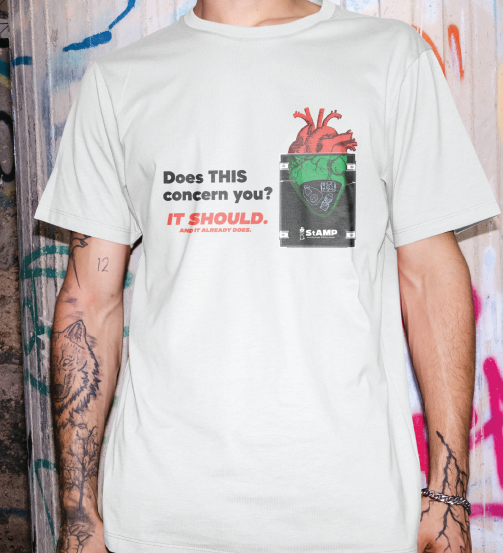
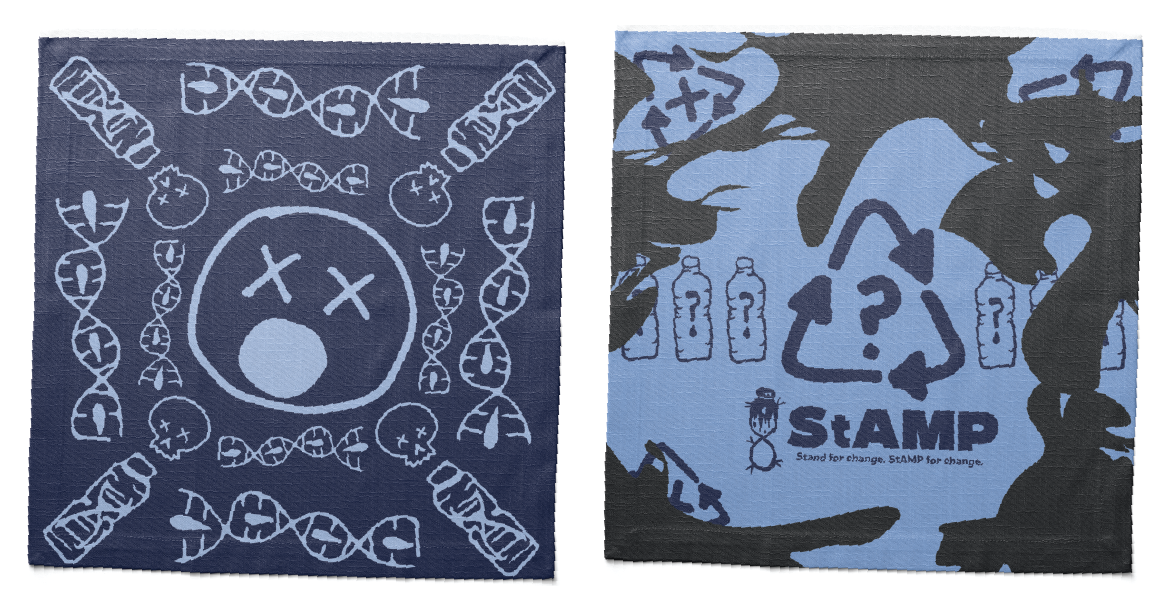
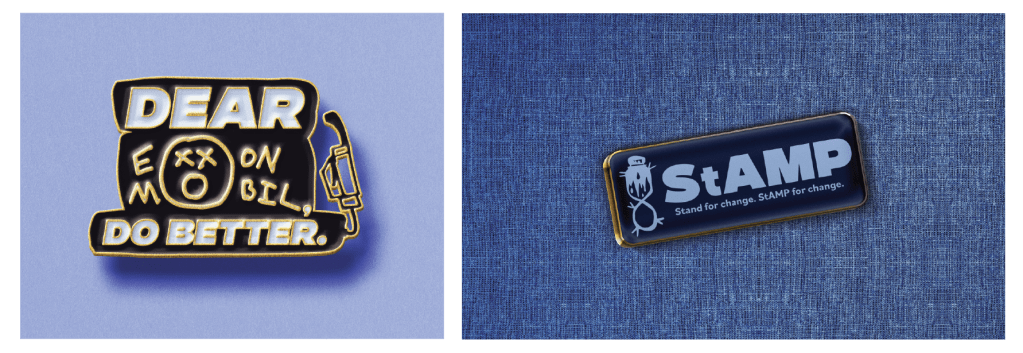
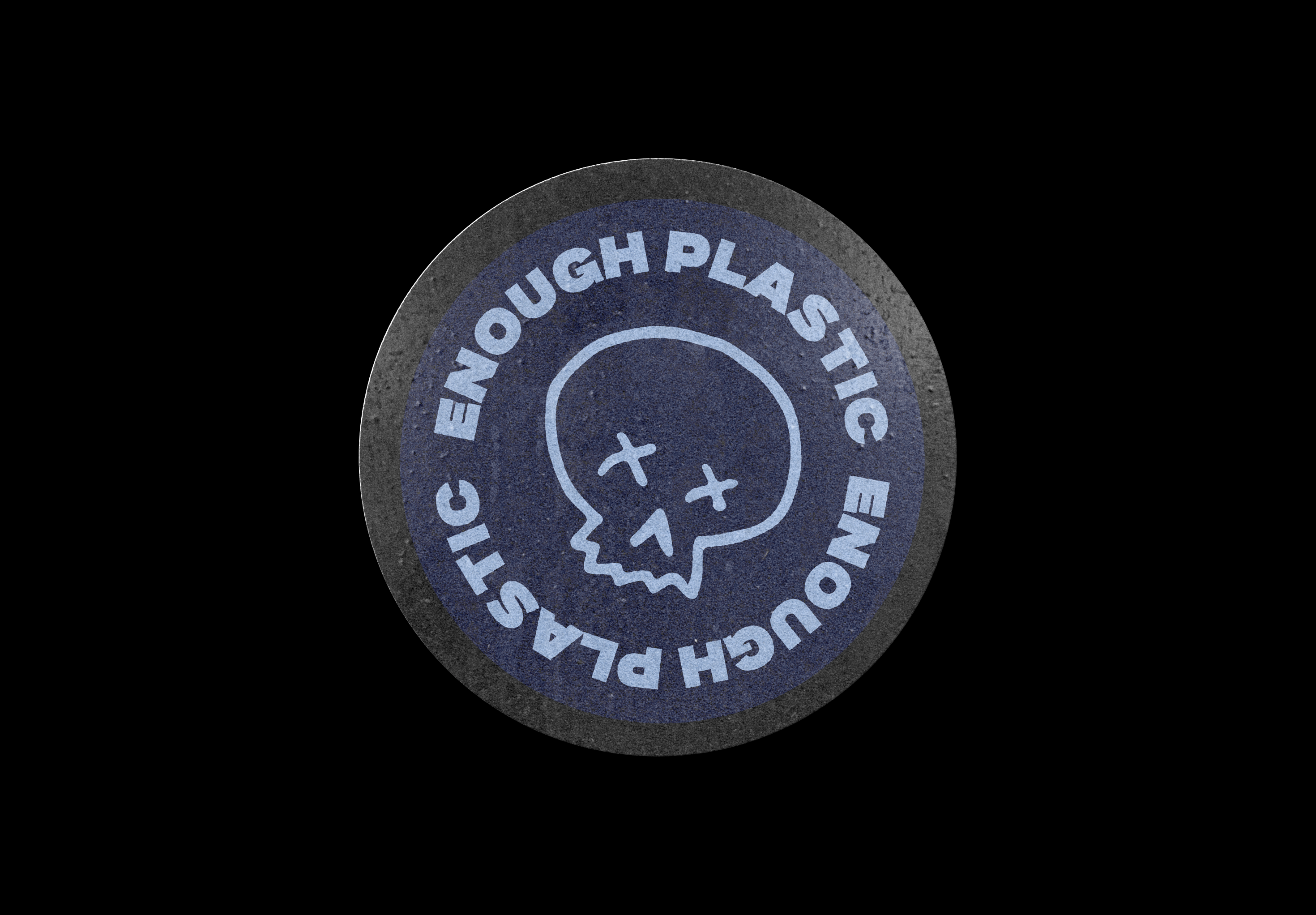
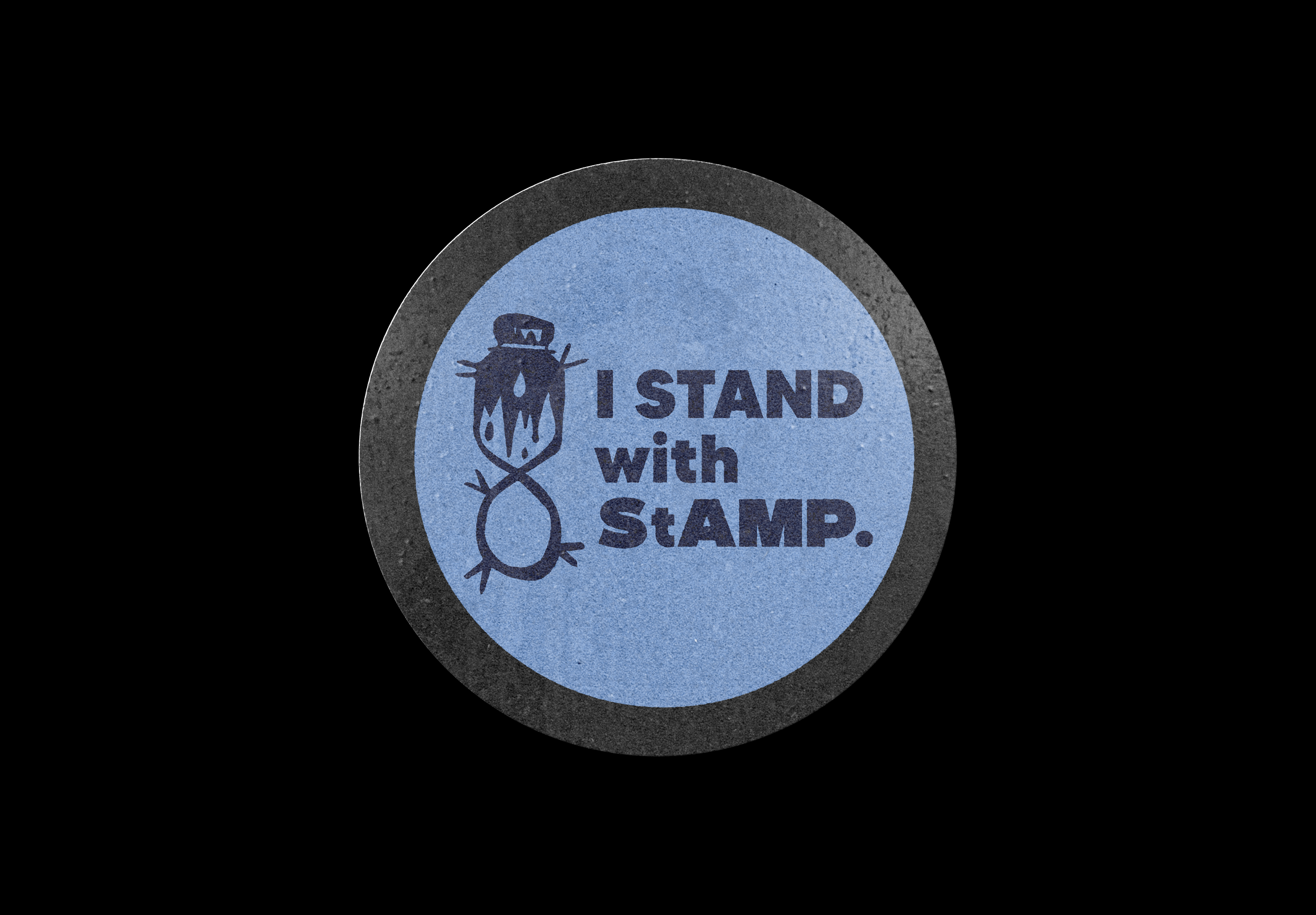
(Merchandise for protestors: shirts, bandanas, enamel pins, and stickers)
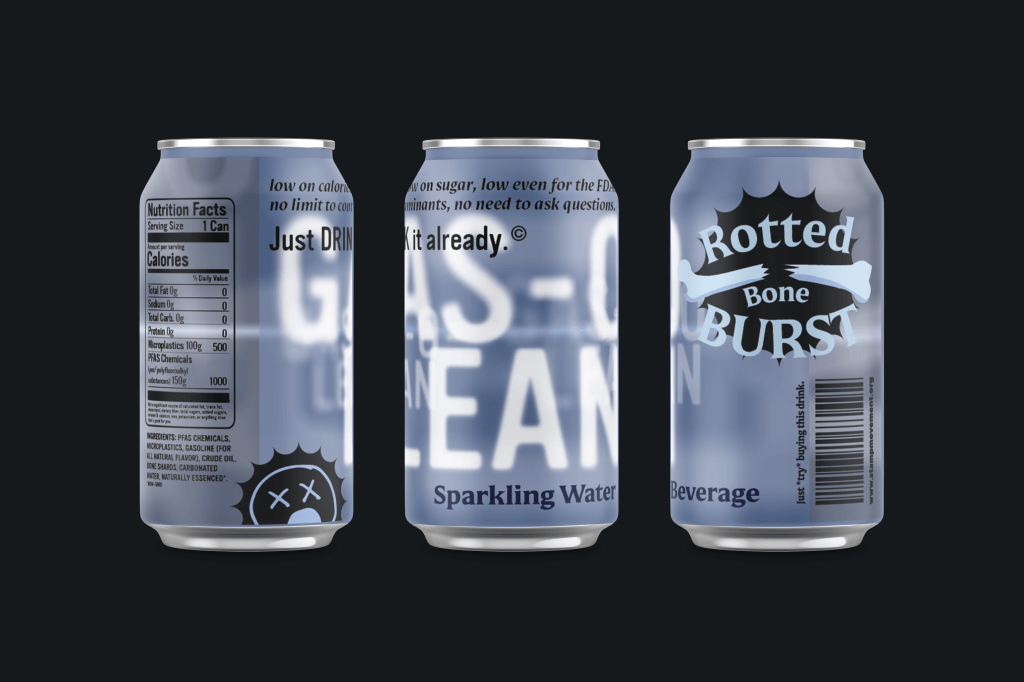
(A decoy can of sparkling water called Gas-O-Lean)
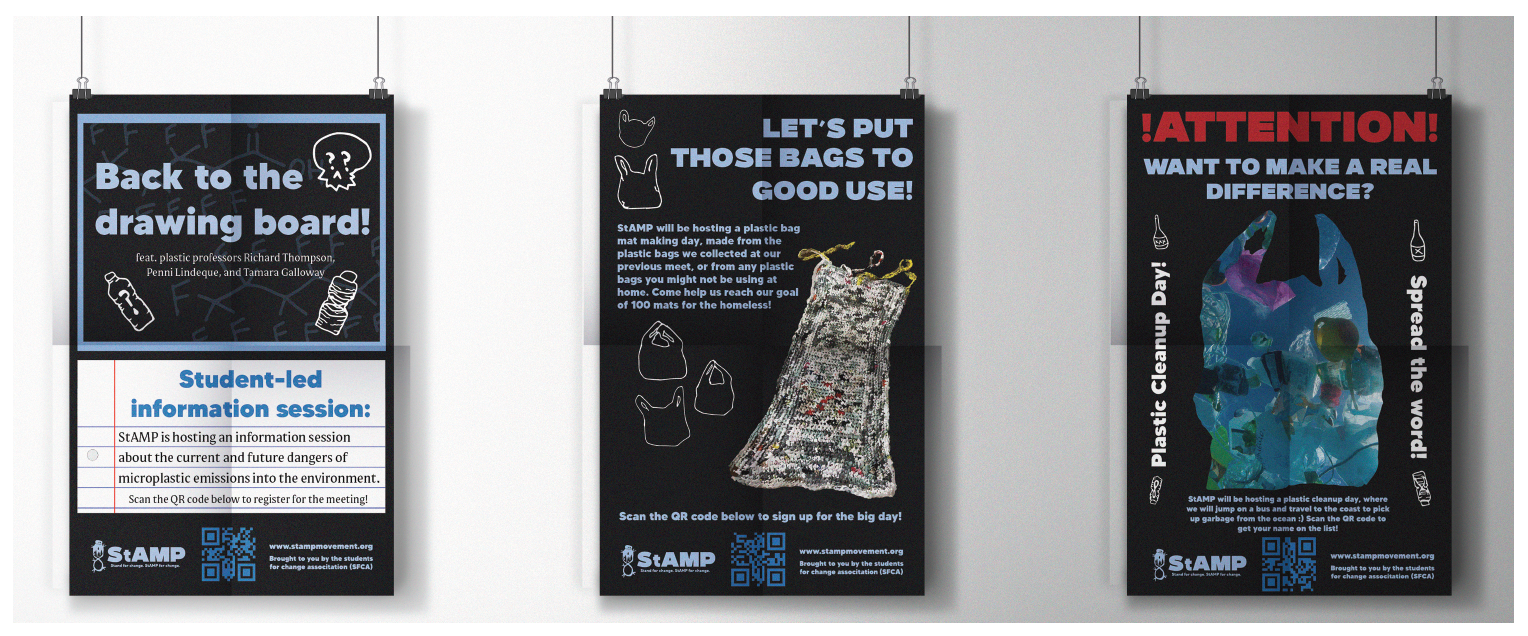
(Community engagement posters)
As with any social movement, the goal is not simply to make people upset and confused about what’s going on behind the scenes of the food and beverage industry. It is to connect with the community and bring people closer together in support of the same cause, in the hopes of enabling true change. These posters advertise an array of (undated) events to pick and choose from, with each event hoping to host more and more people. The movement still lives on today in the lives of many people, but I believe that the stakes in the real world are often unrecognized.